Homeschool supply list essentials are a game-changer for families just starting their educational journey. Are you tired of the endless piles of papers, the scattered art supplies, and the general chaos that can sometimes feel like it’s taking over your living room? Imagine a dedicated, organized space where learning materials are easily accessible, reducing clutter and stress, and creating a peaceful, productive atmosphere for everyone. With a little planning and an investment of around $100-$200, and taking just an afternoon to set up, you can transform your learning environment.
In this article, I’ll guide you through the must-have supplies, offering practical tips to get you started. You’ll learn how to choose the right tools, create functional storage solutions, and set yourselves up for a smooth and enjoyable homeschooling experience.
Homeschool Supply List: Must-Have Supplies for New Homeschoolers
Embarking on the homeschooling journey is an exciting adventure, and getting your learning space set up can feel both daunting and exhilarating. As a fellow homeschooler who has navigated these waters, I know the feeling of wanting everything to be just right – organized, functional, and even a little bit beautiful. Don’t worry, you don’t need to break the bank or transform your entire home into a classroom. We can create a fantastic learning environment with a thoughtful approach to supplies.
Planning Your Homeschool Haven: Measure Twice, Buy Once
Before you even think about hitting the stores or browsing online, let’s get practical. The biggest mistake I see new homeschoolers make is buying supplies based on inspiration rather than actual need and space.
First, grab your trusty measuring tape. Walk through the space you’ve designated for homeschooling. Is it a corner of the living room? A spare bedroom? Even a large closet can be transformed! Measure the available wall space, floor space, and tabletop dimensions. Knowing your exact measurements will prevent you from buying a bulky shelving unit that won’t fit or a desk that’s too large for the designated area.
Next, consider your child (or children). How do they learn best? Are they visual learners who need lots of wall space for posters and charts? Are they kinesthetic learners who need room to spread out on the floor? Do they prefer a quiet, focused setup, or are they okay with a bit of background buzz? This will influence the type of furniture and storage solutions you choose.
Roughly estimate your budget. Homeschool supplies don’t have to be expensive. You can find fantastic deals on used items, Dollar Store treasures, and DIY solutions. For a basic setup for one child, I’d budget anywhere from $200 to $600, depending on whether you’re starting from scratch or utilizing existing furniture. This can include a desk, chair, some basic storage, and essential learning materials.
Your Numbered Walkthrough to Homeschool Organization Bliss
Let’s break down the process into manageable steps. This approach will ensure you acquire what you truly need and set up a functional, inspiring space.
1. **Define Your Learning Zone:** Based on your measurements, clearly mark out your designated homeschool area. Even a simple rug or a strategically placed bookshelf can define the space.
2. **The Foundation: Desk and Chair:** This is your central hub. For a young child, a desk around 20-24 inches high is typical. For older children, a standard desk height of 29-30 inches is good. If space is tight, consider a compact desk, a wall-mounted folding desk, or even a sturdy table. A comfortable, adjustable chair is crucial for posture and focus. I’ve found good used desks and chairs for $50-$150. New, expect to pay $100-$300 for a decent set.
3. **Storage Solutions: Taming the Chaos:** This is where many new homeschoolers go wrong. Resist the urge to buy a million colorful bins! Start with what you *need*.
* **Vertical Storage:** Shelving is your best friend, especially in small spaces. A simple 3-shelf bookcase (around 30-36 inches high) can hold books, binders, and small bins. These can be found for $30-$80. If drilling isn’t an option for rentals, consider sturdy freestanding bookshelves or even stackable cube storage units.
* **Drawer Units:** A small set of plastic drawers (think the kind for craft supplies or paper) is excellent for smaller items like pencils, scissors, glue sticks, and flashcards. Look for units with 3-5 drawers, often costing $15-$40.
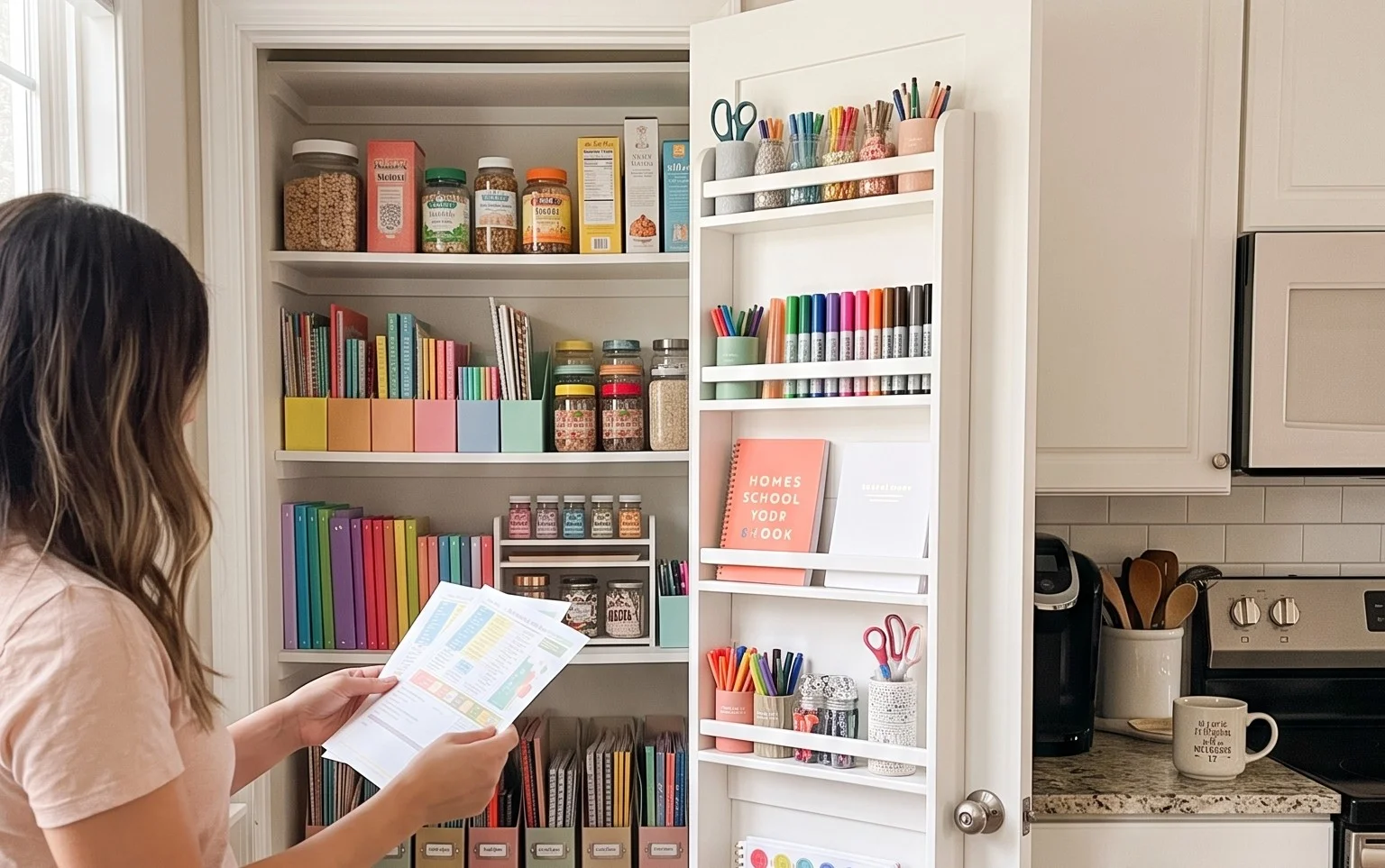
* **Wall-Mounted Organizers (Rental Friendly!):** If you can’t drill, consider over-the-door organizers with pockets for smaller supplies, or freestanding pegboards that you can lean against a wall. These can cost $20-$50.
* **Baskets and Bins:** For larger items like art supplies or projects, fabric bins or woven baskets are stylish and practical. Aim for 2-4 medium-sized bins, costing $5-$15 each.
4. **Essential Writing and Art Supplies:** Now for the fun stuff!
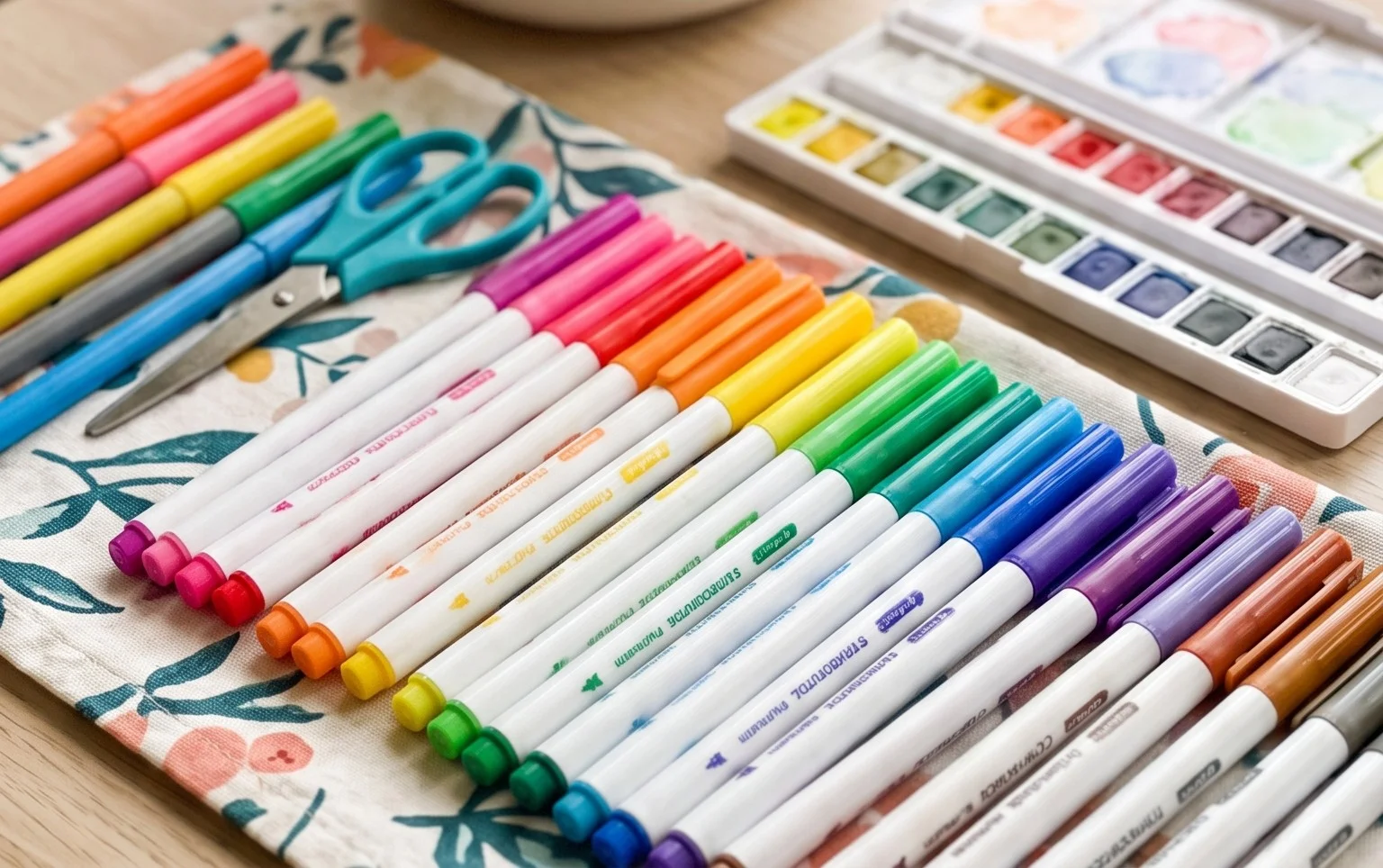
* **Writing Utensils:** A good supply of pencils (at least 24 count), pens (10-12), colored pencils (24-36 count), and markers (12-24 count). Dollar stores are great for these, or budget $20-$50.
* **Paper and Notebooks:** Lined paper, blank paper, construction paper, and a few spiral notebooks or binders. Expect to spend $10-$30.
* **Cutting and Pasting:** Kid-safe scissors (2 pairs), glue sticks (at least 6), and liquid glue (2 bottles). Budget $10-$20.
* **Measuring and Manipulatives:** Rulers (2), a protractor, and a compass (for older kids). Math manipulatives like base ten blocks or fraction tiles are invaluable – you can often find affordable sets for $20-$50, or even borrow them from libraries.
* **Reference Materials:** A good dictionary and a thesaurus are essential. Consider a globe or a world map. These can often be found affordably at used bookstores or online for $20-$60 total.
5. **Technology (Optional but Helpful):** A reliable printer (ink costs can add up!), a tablet or computer, and headphones can enhance learning. If you don’t have these, explore free online resources and library computers.
Adapting for Small Spaces and Rentals: Getting Creative
Living in a rental or a compact home doesn’t mean sacrificing organization and functionality.
* **Go Vertical:** As mentioned, vertical storage is your best friend. Wall-mounted shelves (using command strips if drilling is forbidden), tall, narrow bookcases, and stackable storage units are ideal.
* **Multi-Functional Furniture:** A storage ottoman can serve as extra seating, a footrest, and a place to stash books or blankets. A folding table can be used as a desk when needed and tucked away when not in use.
* **Utilize Doors:** Over-the-door organizers are fantastic for holding books, art supplies, or even learning materials for a specific subject.
* **Portable Solutions:** Consider rolling carts or baskets on wheels. You can gather all your supplies for a particular subject and roll it out when needed, and tuck it away neatly afterwards.
* **Think ‘Temporary’ but Sturdy:** For wall displays, use removable adhesive putty or large poster clips that don’t damage paint.
Styling Notes: Where Function Meets Form
Your homeschool space doesn’t have to be sterile! A few simple styling choices can make it an inviting place to learn.
* **Color Palette:** Choose calming, nature-inspired colors like soft blues, greens, or muted earthy tones. These are known to promote focus and reduce anxiety. You can achieve this through paint (if allowed), but more easily through your choice of bins, baskets, and decorative items.
* **Texture:** Incorporate a variety of textures. A soft rug under the learning area adds warmth and comfort. Woven baskets provide natural texture. Even the feel of different books on the shelf can be appealing.
* **Placement is Key:**
* **Desk:** Position it facing a window if possible for natural light and a calming view. If that’s not feasible, facing a blank wall can minimize distractions.
* **Shelving:** Place frequently used items at eye level. Less-used items can go on higher or lower shelves. Organize by subject or by type of material.
* **Inspiration Wall:** Designate a wall space for charts, artwork, and motivational quotes. This can be a bulletin board, a magnetic whiteboard, or simply a blank wall where you use removable adhesive. Keep it uncluttered and visually appealing.
* **”In Progress” Zone:** Have a designated spot for current projects. This might be a tray on a shelf or a clear bin where work-in-progress can be stored without becoming overwhelming.
Keeping it Tidy After Week One: The Magic of Habit
The initial organization is the easy part. The real magic happens with consistent habits.
* **The 5-Minute Tidy:** Before you wrap up each homeschool day, take just 5 minutes to put things back where they belong. This is a game-changer!
* **”One In, One Out” Rule:** For books and supplies, try to encourage this. When a new book comes in, an old one can be donated. When a new art supply is opened, check if there’s a nearly empty one that can be finished up.
* **Regular Purges:** Schedule a monthly or quarterly tidy-up where you go through drawers and shelves, decluttering anything no longer needed or used.
* **Involve the Kids:** Teach your children how to put away their own supplies. Make it a natural part of the routine. Label bins and shelves so they know exactly where things go.
The Mistakes That Make This Fail: Avoid These Pitfalls
Even with the best intentions, some common mistakes can derail your homeschool organization.
* **Over-Buying:** This is the number one culprit. Resist the urge to buy every shiny new educational tool you see. Start with the essentials and add as you discover specific needs.
* **Lack of a System:** Even if you have great supplies, if there’s no designated “home” for everything, it will quickly become a mess.
* **Not Involving the Children:** If the system isn’t understood or embraced by the learners, it’s unlikely to stick. Make them part of the process.
* **Perfectionism:** Don’t strive for a Pinterest-perfect classroom from day one. Functionality and a calm learning environment are far more important than flawless aesthetics. It will evolve.
* **Ignoring Space Limitations:** Trying to cram too much into a small space will lead to frustration. Be realistic about what your area can accommodate.
Homeschooling is a marathon, not a sprint. By planning thoughtfully, investing in versatile and practical supplies, and establishing good habits from the start, you can create a beautiful, functional, and inspiring learning space that will serve you well throughout your homeschooling journey. Happy organizing!
Conclusion
Remember, the right homeschool supply list isn’t just about materials; it’s about creating an environment that fosters learning and joy. Having your essential homeschool supplies ready makes a world of difference in your daily rhythm, reducing stress and freeing up mental space for what truly matters: connection and education.
Your smallest first step today? Choose one corner of your learning space and tackle its organization. For a different focus, consider a budget-friendly “reading nook” with just a comfy cushion and a shelf for books. Or, for a different room, envision a “creation station” in the kitchen with art supplies readily accessible.
We hope this guide helps you feel empowered. Explore more ideas for a beautiful and functional homeschool space!