How Block Scheduling Has Changed Everything, and specifically, my morning routine. For years, my mornings felt like a chaotic scramble. Papers piled high, mail never sorted, and that nagging feeling of things being out of place left me starting my day stressed before it even truly began. Sound familiar? My home often felt like a testament to *unsolved* clutter, a daily visual reminder of tasks undone.
Now, thanks to a revamped morning routine built around block scheduling, my home feels *transformed*. Imagine a serene entryway, a tidy kitchen counter, and a sense of calm order. This shift has been surprisingly achievable, taking just about 30 minutes each morning and costing next to nothing – mostly just a little dedication and a few minutes for actual tidying. In this article, I’ll share exactly how I implemented this simple yet powerful system, the specific blocks I created, and how you can replicate this peace and productivity in your own home. Get ready to finally conquer your mornings!
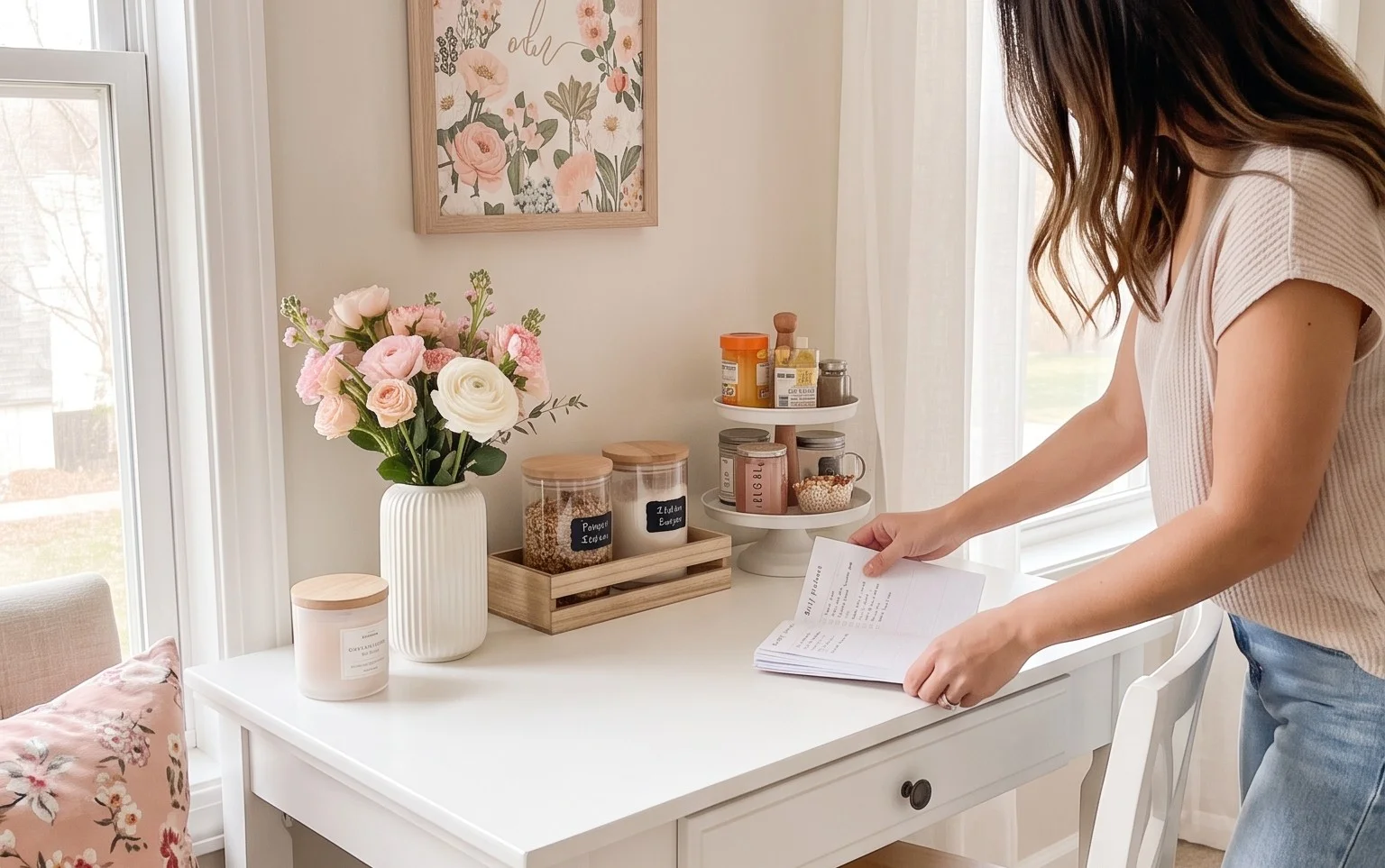
How Block Scheduling Has Changed Everything: My New Morning Routine – Seven Graces
For years, my mornings felt like a chaotic whirlwind. I’d wake up, hit snooze a ridiculous number of times, and then scramble through a blur of getting dressed, making coffee, and rushing out the door, often forgetting something crucial. My home decor and organization efforts felt futile because the underlying structure was just missing. Then, I discovered the magic of block scheduling, specifically tailored to my morning routine, and honestly, it’s changed everything. This isn’t about rigid, military-style discipline; it’s about intentionality, creating calm, and setting yourself up for a successful day.
The Genesis of My Block Scheduled Morning
The concept of block scheduling, often used in professional settings, involves dedicating specific chunks of time to particular tasks or types of work. I realized I could apply this to my personal life, and the morning is the perfect place to start. My goal was to create a serene, efficient start to the day, one that allowed for personal care, a moment of peace, and actual preparedness.
What You Need and Rough Costs
The beauty of block scheduling for your morning routine is that it doesn’t require a massive overhaul or expensive gadgets. The most crucial elements are time, intention, and a few key organizational tools to support your new structure.
Here’s what I found essential and the approximate costs:
* **A good quality planner or journal:** This is your command center. I opted for a hardcover, daily planner with ample space for notes and to-do lists.
* *Rough Cost:* $25 – $50
* **A timer (physical or app):** For keeping yourself accountable to your blocks. My phone’s built-in timer works perfectly, but a cute kitchen timer can add charm.
* *Rough Cost:* Free (phone app) to $20
* **Designated storage solutions:** This is where some decor and organization come into play. Think small baskets, trays, or drawer dividers.
* *Baskets/Trays:* I use a small woven tray (approx. 12″ x 8″) for my skincare and a fabric bin (approx. 10″ x 6″ x 5″) for my morning reading materials.
* *Rough Cost:* $15 – $40 each
* *Drawer Dividers:* Essential for keeping vanity drawers or bedside tables tidy.
* *Rough Cost:* $10 – $30 for a set
* **A comfortable, designated “zen” space:** This could be a corner of your bedroom, a window seat, or even just your favorite chair. The decor here is about creating an inviting atmosphere.
* *Rough Cost:* Variable, but think a plush cushion ($20-$40), a small throw blanket ($30-$60), or a calming piece of art ($50-$100).
Total estimated initial investment: $175 – $300, depending on your choices. Many of these are one-time purchases.
Measuring and Planning Before You Start
This is the non-negotiable step for success. Don’t just jump in blindly.
1. **Track Your Current Morning:** For three consecutive days, meticulously time yourself. What do you actually do from the moment you wake up until you leave the house? Be honest about the time spent scrolling on your phone, staring blankly into the fridge, or searching for lost keys.
2. **Identify Your Ideal Morning:** What would your perfect morning look like? What tasks do you *want* to accomplish? Consider hygiene, exercise, journaling, reading, preparing a healthy breakfast, or simply enjoying a quiet cup of coffee.
3. **Determine Your Wake-Up Time:** Based on your desired activities, calculate the latest possible wake-up time. Work backward from when you need to leave. If you need 2 hours and 30 minutes, and you must leave by 8:00 AM, your wake-up call is 5:30 AM. (Yes, I was shocked too, but it’s worth it!)
4. **Break Down Your Ideal Morning into Blocks:** This is the core of the process. Assign specific time slots to each activity. Be realistic about how long things take.
* *Example:*
* 5:30 AM – 5:45 AM: Wake up, hydrate, gentle stretching
* 5:45 AM – 6:15 AM: Skincare routine & getting dressed
* 6:15 AM – 6:45 AM: Meditation/Journaling in my “zen” corner
* 6:45 AM – 7:15 AM: Prepare and enjoy breakfast
* 7:15 AM – 7:45 AM: Read/Listen to a podcast
* 7:45 AM – 8:00 AM: Pack bag, final checks, leave
My Numbered Walkthrough of the Process
Once you have your plan, here’s how I implemented it:
1. **Prepare the Night Before:** This is crucial for a smooth morning. Lay out your clothes, pack your work bag, and place any items you’ll need for your morning blocks in their designated spots. For instance, my journal and pen are on my bedside table, and my skincare products are arranged on my vanity tray.
2. **Set Your Alarm and Stick To It:** No snoozing! When the alarm goes off, it’s time to get up. Place your alarm across the room if you’re prone to hitting snooze.
3. **Hydrate and Move:** The first block is about waking up your body. Drink a glass of water and do a few simple stretches. This gets your blood flowing and signals to your brain that it’s time to be awake.
4. **Execute Your First Block:** Move directly into your designated first activity. If it’s skincare, go to your vanity. If it’s journaling, head to your “zen” spot. Use your timer to keep yourself on track.
5. **Transition Smoothly:** When the timer for one block sounds, pause for no more than 30 seconds to mentally transition to the next task. Resist the urge to get sidetracked.
6. **Embrace the “Zen” Block:** This is my favorite part. I dedicate 30 minutes to reading or quiet reflection in my designated corner. This mental downtime is transformative.
7. **Fuel Your Body:** Prepare and savor your breakfast. This is not a grab-and-go situation anymore. It’s a moment to nourish yourself.
8. **Review and Prepare for Departure:** In the final block, gather your things, do a quick mental check of your schedule for the day, and head out the door feeling calm and prepared.
Adapting for Small Spaces or Rentals
The beauty of block scheduling is its flexibility. You don’t need a huge house or the ability to drill holes to make it work.
* **Small Space Solutions:**
* **Vertical Storage:** Utilize wall-mounted organizers (non-drilling command hooks are your friend!) for things like jewelry, scarves, or even a small charging station.
* **Multi-functional Furniture:** A storage ottoman can be a footrest, extra seating, and a place to stash blankets or books. A bed with built-in drawers is a game-changer.
* **Clear Containers:** Invest in clear acrylic trays or boxes for your vanity or desk. This allows you to see everything at a glance and makes your space feel more organized.
* **Desk Organizers:** Small desk caddies can hold pens, notepads, and even your phone, keeping your workspace tidy.
* **Rental-Friendly Solutions:**
* **Command Hooks and Strips:** These are revolutionary for renters. They hold surprisingly well and remove cleanly. Use them for hanging lightweight decor, calendars, or even small baskets.
* **Freestanding Shelving Units:** Opt for attractive, narrow shelving units that don’t require mounting.
* **Over-the-Door Organizers:** These are perfect for maximizing space in closets or bathrooms.
* **Magnetic Boards:** If you have a metal surface (like a fridge or filing cabinet), magnetic boards can hold notes, keys, or small tools.
* **Floor-Based Solutions:** Baskets, decorative bins, and rolling carts can be strategically placed to provide storage without altering walls.
Styling Notes for a Serene Space
The decor of your morning routine space is as important as the schedule itself. It should be inviting and calming.
* **Color Palette:** Opt for serene colors like soft blues, greens, muted grays, or warm neutrals. These promote a sense of calm and reduce visual clutter.
* **Texture:** Incorporate soft textures like linen, cotton, or faux fur to make your space feel cozy and inviting. A plush rug in your “zen” corner, a soft throw blanket, or textured baskets add warmth.
* **Placement:**
* **”Zen” Corner:** This should be a dedicated, uncluttered area. Place a comfortable cushion, a small plant, and perhaps a piece of artwork that inspires you. Keep only essential items here.
* **Vanity/Dressing Area:** Use trays to group similar items. Keep daily skincare and makeup in easily accessible spots. Store less-used items in drawers with dividers.
* **Breakfast Nook:** Ensure your breakfast area is clean and inviting. Having your favorite mug and a small vase with a single flower can elevate the experience.
* **Entryway:** If possible, create a small drop zone for keys, mail, and your bag to prevent clutter from migrating into the house. A decorative bowl or a small wall-mounted organizer works well.
### Keeping It Tidy After Week One
The initial excitement can wane, and clutter can creep back in. Here’s how to maintain your newly organized morning:
* **The “Reset” Habit:** At the end of each day, spend 5-10 minutes resetting your morning space. Put items back where they belong, tidy surfaces, and prepare for the next day. This is non-negotiable.
* **One In, One Out Rule:** For any new items added to your morning routine accessories (e.g., a new journal), try to remove something else of similar function.
* **Regular Decluttering:** Schedule a quick 15-minute decluttering session for your morning spaces once a month.
* **Be Ruthless with “Chutes”:** If a particular item consistently ends up out of place, either find a better storage solution for it or consider if you truly need it.
### Mistakes That Make This Fail
Even with the best intentions, there are common pitfalls:
* **Unrealistic Time Blocks:** If your blocks are too short, you’ll constantly feel rushed and defeated. Be generous with your timing, especially in the beginning. It’s better to finish early than to constantly run over.
* **Not Preparing the Night Before:** This is the biggest killer of morning routines. If you have to search for clothes or pack your bag in the morning, you’ve already failed the block scheduling system.
* **Getting Distracted by Technology:** Social media, emails, and news can easily derail your carefully planned blocks. Keep your phone on airplane mode or in another room during your “deep work” or “zen” blocks.
* **Lack of Flexibility:** Life happens. If you miss a block or have an off day, don’t beat yourself up. Simply get back on track the next day. The goal is progress, not perfection.
* **Over-Complicating the Setup:** Start simple. You don’t need a perfect aesthetic from day one. Focus on the structure and organization, and the decor can evolve.
Block scheduling my mornings has brought an unprecedented sense of calm and control to my life. It’s transformed a chaotic scramble into a deliberate, nourishing start, and with a little planning and consistent effort, I truly believe it can do the same for you.
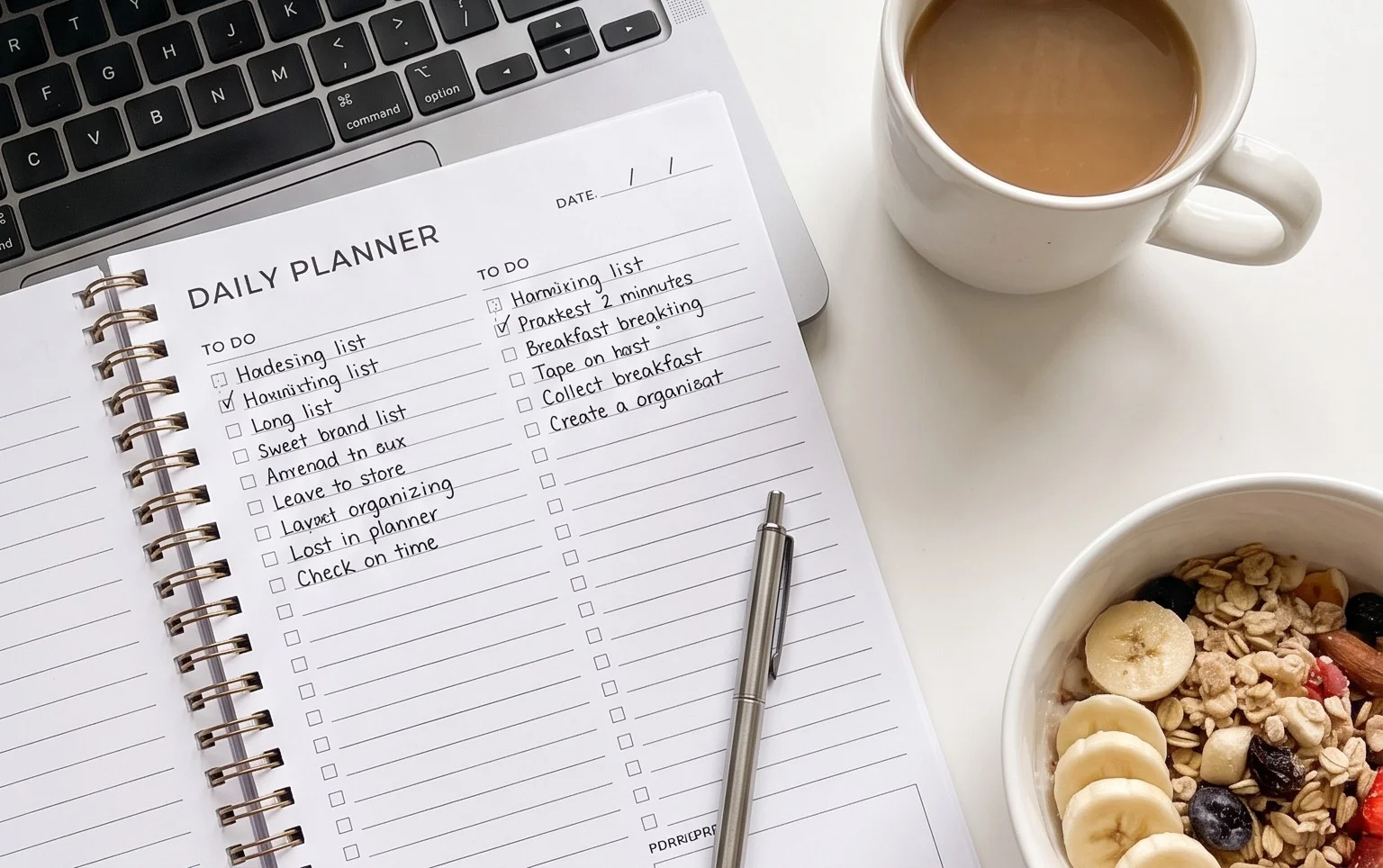
Conclusion
Embracing block scheduling for my mornings has truly been a game-changer. The sense of calm and control it brings has rippled through my entire day, transforming chaotic starts into serene beginnings. This shift in how I approach my mornings, focusing on organized blocks, has allowed for so much more peace and productivity.
The smallest possible first step? Try dedicating just 15 minutes tomorrow morning to a single task before diving into anything else. You might be surprised by how much you can accomplish!
Variations:
For your kitchen, consider a “meal prep block” for 30 minutes every Sunday. On a tighter budget, declutter one drawer in your living room, dedicating a “tiny tidying block” for five minutes daily.
We hope this glimpse into how block scheduling has changed everything inspires you! We invite you to explore more ideas on our site for creating your own serene and organized haven.